
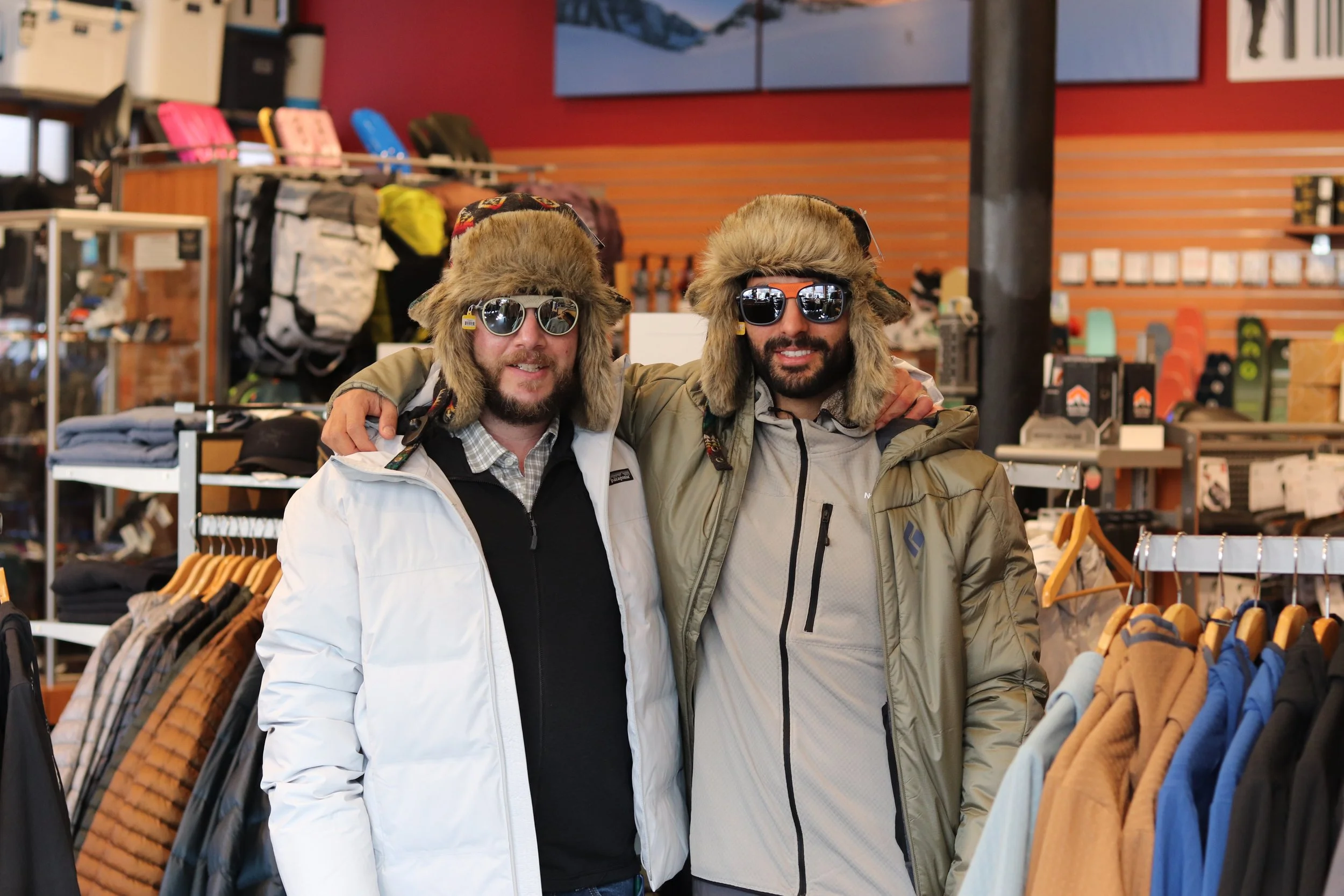
November is when the cold stops being a rumor. The mornings bite, the sun drops early, and that "I'll be fine in a fleece" confidence starts to crack somewhere around the first switchback.
The good news, today's newer technologies give you even more ways to dial in comfort based on how you move. Some are designed to lock in maximum warmth when you're standing still. Others breathe and dump heat when you're working hard, then hold onto warmth when you stop.
This month, we're breaking down three insulation technologies worth knowing about: PrimaLoft, Polartec Alpha, and Octa. Here's what each one does, where it shines, and what to look for in a jacket that uses it.
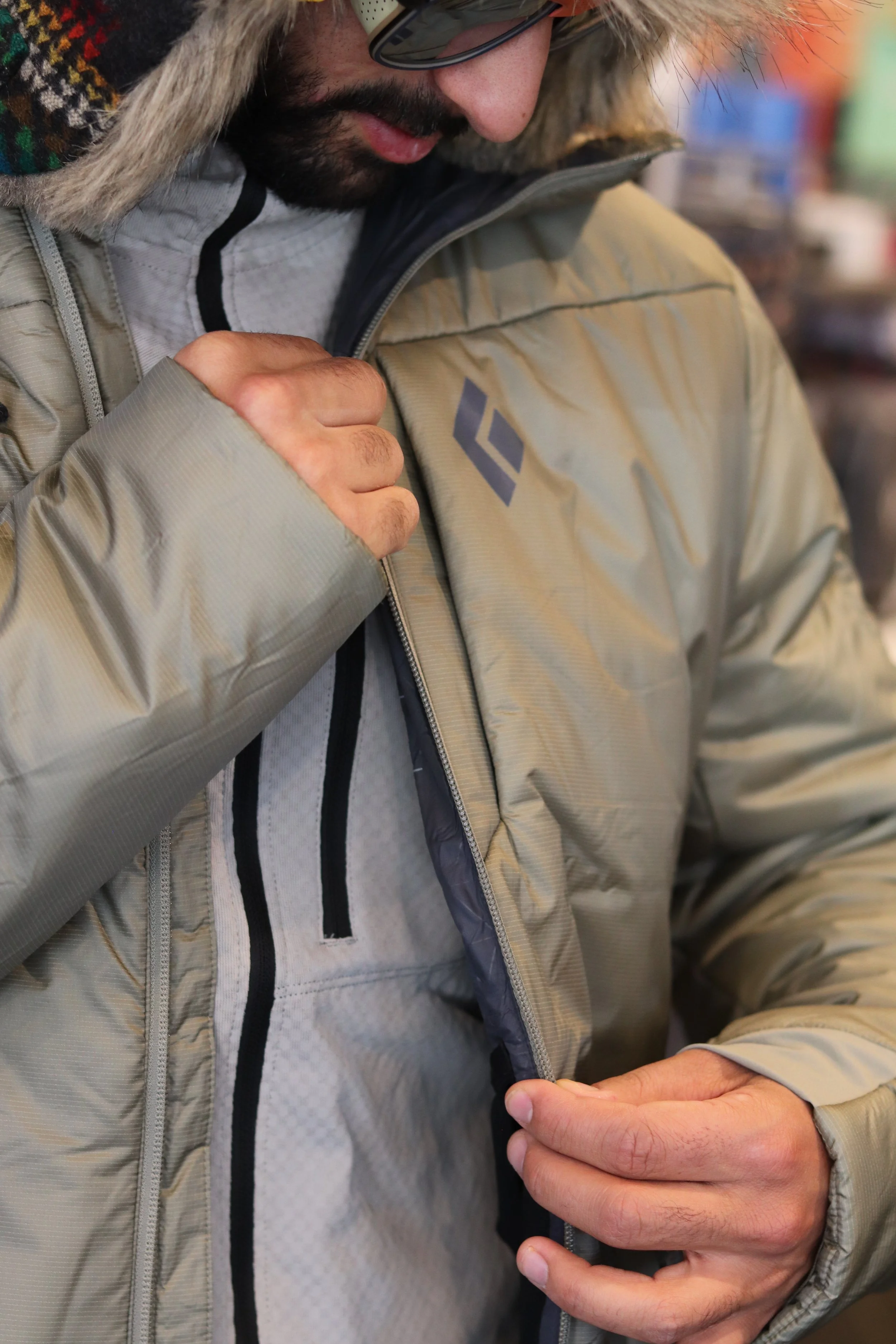
PrimaLoft Gold Cross Core: Maximum Warmth When You're Standing Still
Best for: belaying, summit waits, camp, and any time you're not moving much.
PrimaLoft Gold with Cross Core technology takes a material NASA developed, Aerogel, and fuses its particles with PrimaLoft Gold insulation fibers. Aerogel is made up of 95% air, which is exactly what you want in insulation: trapped air is what keeps heat close to your body. The result is insulation that leads the market in warmth-to-weight ratio while still packing down small.
It's also a more responsible choice. PrimaLoft Gold Cross Core is made from 90% recycled material and is Bluesign approved.
What to look for
PrimaLoft Gold Cross Core usually shows up in belay jackets and hoodies built for climbing and winter mountaineering. Good ones pair it with an over-helmet hood, a two-way front zip for belay loop access, harness-compatible pockets, and internal dump pockets for stashing gloves or climbing shoes. A tough, abrasion-resistant face fabric is a bonus if you'll be scraping against rock, ice, and pack straps.
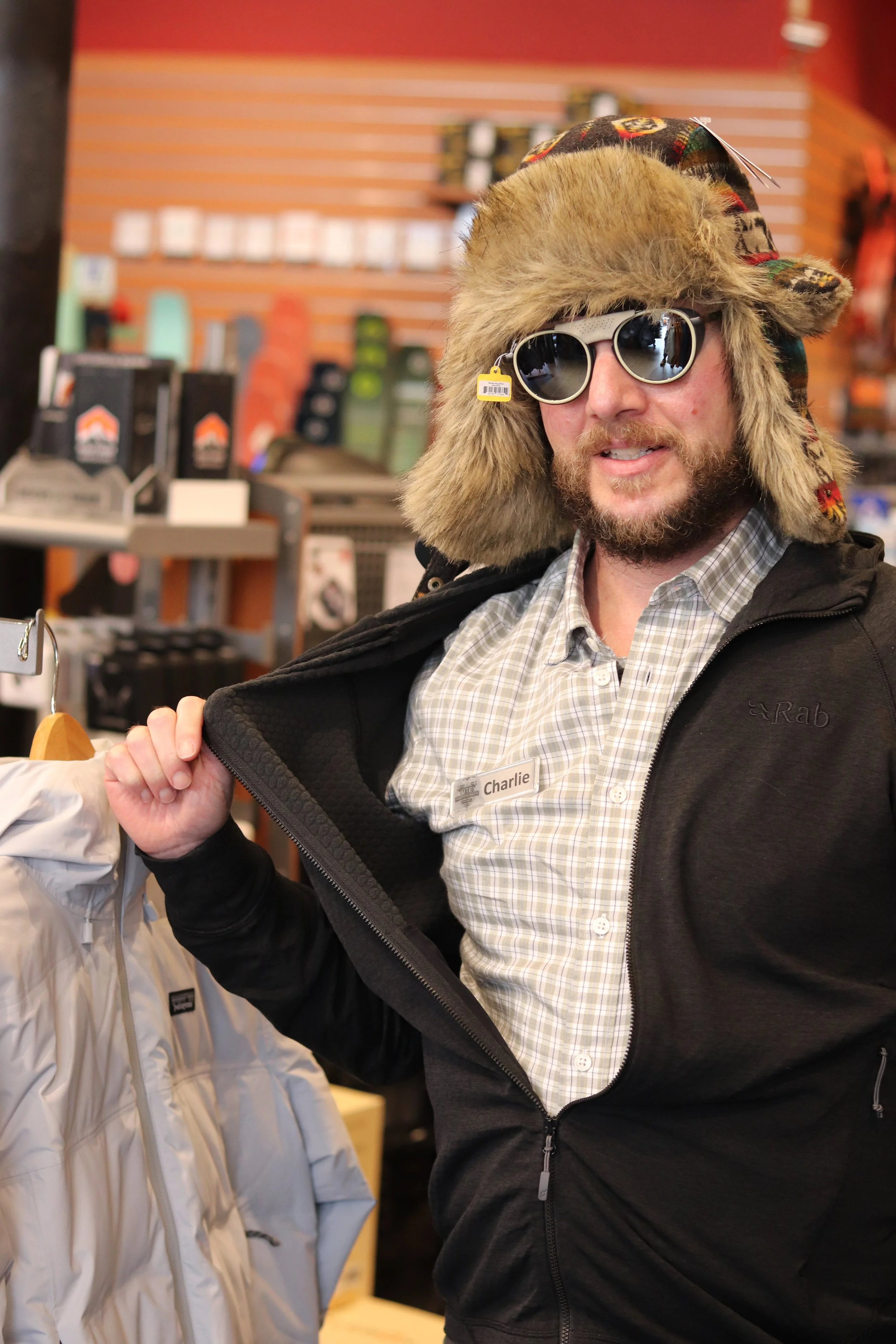
Polartec Alpha: Insulation That Adjusts to You
Best for: stop-and-go days like ski touring, winter hiking, and climbing approaches.
Polartec Alpha was originally developed for US Special Forces, who needed one layer that could handle both hard effort and long stops. Traditional insulation traps heat no matter what you're doing, which is great on a chairlift and miserable on a skin track. Alpha takes a different approach: it keeps heat in when you need it and lets it out when you don't.
How it works:
Lofted fibers hold warm air close when you slow down
A mesh core lets heat and moisture escape when you're working hard
Hydrophobic fibers resist moisture and dry fast, so sweat doesn't leave you chilled
Because it responds automatically to your activity level, Alpha keeps you comfortably warm without the overheating spiral. It's tough, lightweight, and built for changing conditions and unpredictable environments.
What to look for
Alpha is often used in low-profile insulated jackets meant for trail runs, ski tours, and other heart-rate-raising days. Look for a stretchy, breathable outer fabric so the insulation can do its job, a DWR finish to shed light precipitation, and a jacket that packs into its own pocket so it's easy to carry when you're not wearing it.
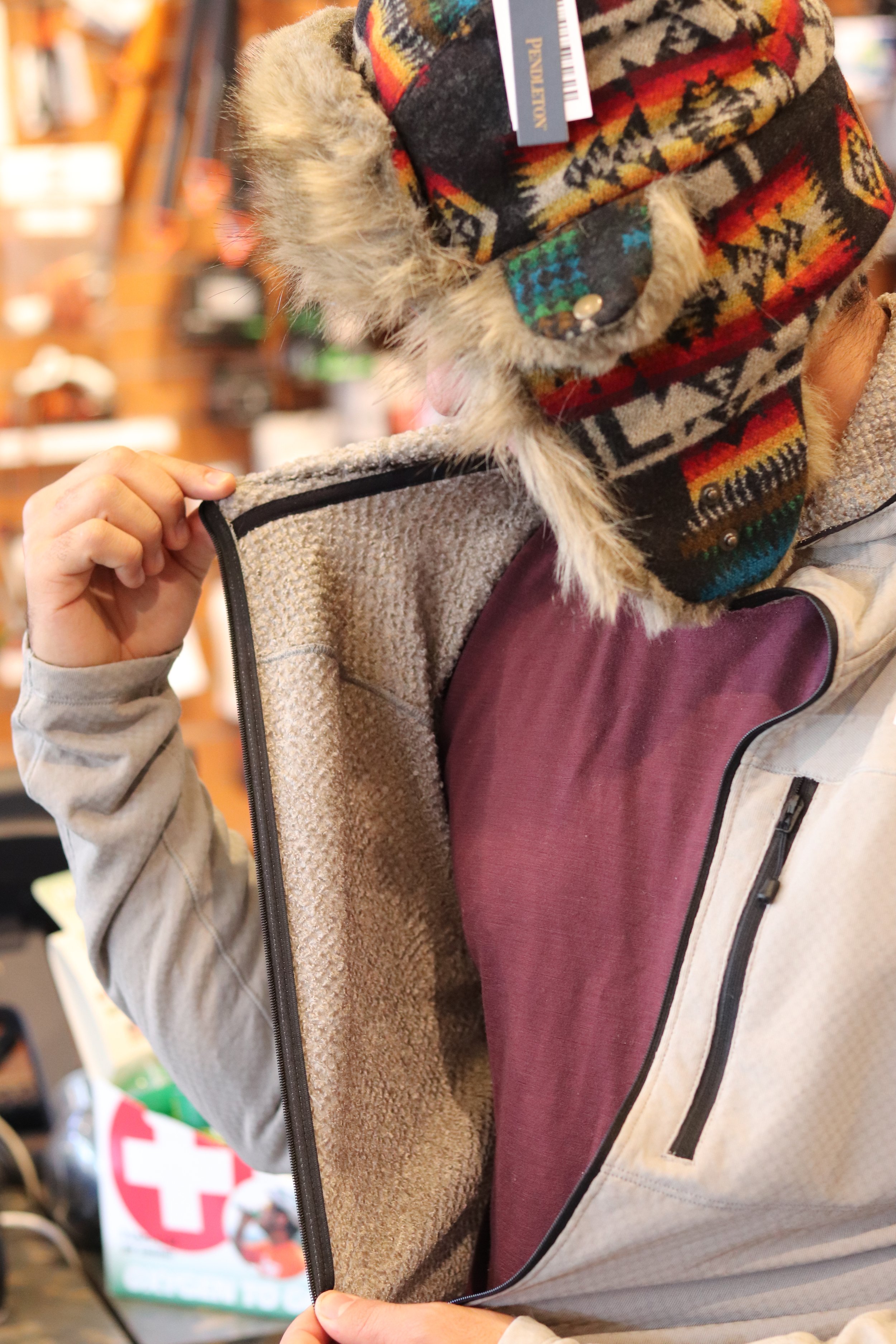
Octa: The Octopus Fiber Built for Speed
Best for: high-tempo pursuits in cool weather, like trail running, fast hikes, and backcountry touring.
Octa gets its name from its shape. Look at a single fiber up close and it resembles an octopus, with arms radiating out from its core. That shape does the work:
The spaces between the arms trap body heat for extra warmth when it counts
The fiber construction creates an airy texture that breathes, sheds heat, and dries quickly when you're pushing hard
The weight savings are real: Octa is 50% lighter than regular polyester materials
If you run hot, move fast, or hate stopping to change layers, Octa is the tech to look for.
What to look for
You'll find Octa in two main forms: as a grid fleece mapped into soft shells where you need breathability and range of motion, and as the insulation in ultralight, highly breathable hoodies built for cold climbs and fast days. Pair it with a light, wind- and weather-resistant outer fabric that still lets air move, and you've got a layer you can keep on from trailhead to summit.
Which Tech Is Right for You?
The short version: pick your insulation by how much you move, not just how cold it gets.Many people end up with two: an active layer (Alpha or Octa) for the move, and a PrimaLoft belay jacket to throw on top when you stop.Stop by the shop to try these on and talk through your plans with our staff. Whatever the forecast says, there's a layer that'll keep you out there all Novem-BRR long.
